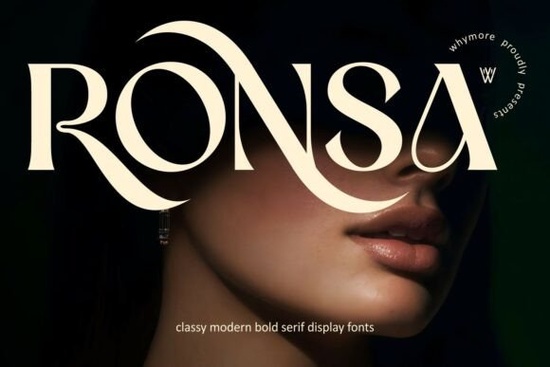
If you're looking for a bold serif font that feels both modern and timeless something that adds quiet confidence to luxury logos, boutique packaging, or high-end editorial work Ronsa Font is worth your attention. It’s not flashy or overly decorative, but it carries weight and intention in every letterform. Designed with clean, high-contrast strokes and subtly refined curves, Ronsa lands right where elegance meets clarity making it especially useful for small businesses and creatives who want their typography to speak with authority, not noise.
When does Ronsa work best?
Ronsa shines in contexts where tone matters as much as legibility. Think: a hand-poured candle brand launching its first signature scent, a local bridal boutique refreshing its stationery suite, or a print-on-demand shop curating minimalist art prints for discerning buyers. Its bold structure holds up well at larger sizes ideal for headlines, logo lockups, and cover layouts while its balanced proportions keep it readable in shorter body text blocks, like product descriptions or newsletter headers.
Because it’s built for versatility, Ronsa performs consistently across media. You’ll see crisp rendering on screen (no blurriness at smaller sizes), and it prints cleanly on textured paper or foil-stamped cards. That reliability matters when you’re ordering 100 wedding invites or prepping files for a fabric printer and don’t want to second-guess how the type will translate.
How does Ronsa compare to other modern serifs?
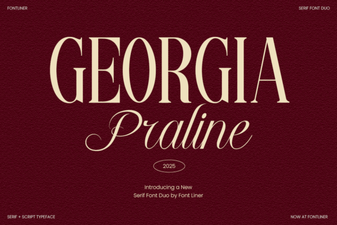
It’s easy to reach for familiar names like Georgia Praline Font, which leans into warmth and approachability with its soft terminals and gentle contrast. Or Arome Font, which balances classic serifs with subtle contemporary tweaks great for lifestyle brands wanting charm without fuss.
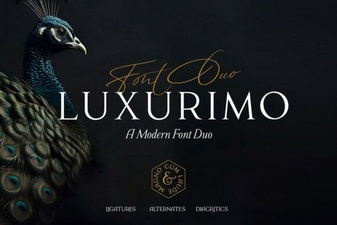
Luxurimo Font, by contrast, leans more ornate and editorial perfect for fashion lookbooks or luxury magazine features where detail and drama are welcome. And if you ever need something lighter and more playful for seasonal collections or social graphics, Sparky Dream Font offers airy contrast and friendly rhythm.
Ronsa sits somewhere between Luxurimo’s polish and Arome’s restraint bold enough to command attention, but grounded enough to feel authentic, not performative. It doesn’t try to be everything; it does one thing very well: convey sophistication with clarity.
What’s included and what you can actually use
The Ronsa package includes standard OpenType features: uppercase and lowercase letters, numerals, punctuation, and basic accented characters (covering most Western European languages). It supports common design tools Adobe Creative Cloud, Canva, Affinity apps, Cricut Design Space, and Silhouette Studio so whether you’re making SVG cut files for vinyl decals or building a Shopify banner, setup is straightforward.
No hidden limitations or “pro version” upsells: what you see is what you get. And because it’s a single-weight, single-style family (not a variable font), file size stays light helpful if you’re embedding fonts in email templates or lightweight web projects.
Real-world tips for using Ronsa well
- Pair it thoughtfully: Try Ronsa with a clean sans-serif (like Inter or Montserrat) for contrast headline in Ronsa, body copy in the sans. Avoid pairing it with other bold serifs; the visual competition weakens impact.
- Watch spacing: Its strong verticals and tight counters mean tracking may need slight adjustment at large sizes especially in all-caps settings. A little extra letter-spacing often helps readability.
- Test before printing: Even though it renders well, always preview on your intended output surface especially if using metallic inks, embossing, or dark backgrounds.
- Use it where voice matters: Product tags, business cards, book covers, and Instagram story headers benefit most from its presence. Skip using it for long paragraphs or tiny interface labels.
If you’ve tried other bold serifs and found them either too stiff or too busy, Ronsa might be the middle ground you’ve been overlooking. It’s not trend-driven it’s tool-driven. Designed for people who care about how words feel, not just how they look.
Before downloading Ronsa Font: Check your project’s language needs (does it require Cyrillic or extended diacritics?), confirm your software supports OpenType fonts, and preview a few sample layouts especially at the size and background you plan to use. If you already own Georgia Praline Font or Arome Font, try swapping Ronsa into the same layout side-by-side. The difference in tone and confidence is usually clear within seconds.
Get Started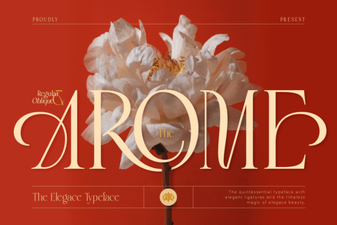 Arome Font: Elevating Design with Modern Typography
 Sparky Dream Font: a Free Creative Asset
 Luxurimo Font: Design Tips & Creative Projects
 Georgia Praline Font for Elegant Web Design Projects
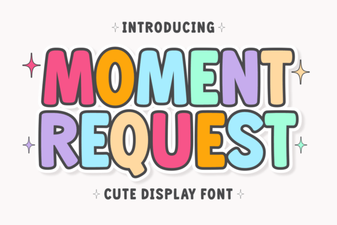 Craft Designs with Moment Request Font
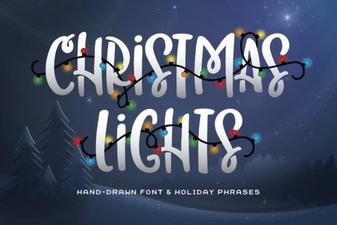 Illuminate Your Designs with Festive Christmas Lights Fonts